Practical Applications of Floral Decorative Element Design for Modern Creators
In the landscape of digital and print media, visual hierarchy often dictates the success of a project. Floral decorative element design has emerged as a versatile solution for professionals seeking to add organic elegance without the time investment of custom illustration. These assets are not merely clip art; they are sophisticated vector and raster resources designed to integrate seamlessly into complex workflows. Whether you are a brand strategist refining a logo, a wedding planner curating invitations, or a web designer softening a user interface, understanding the utility and technical specifications of these files is essential for maximizing their potential.
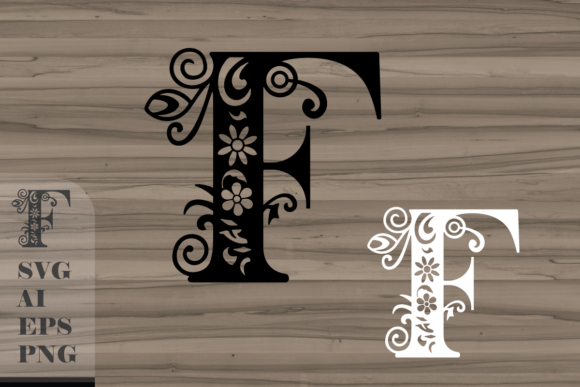
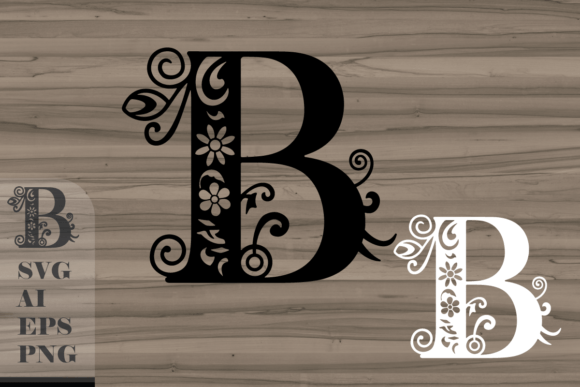
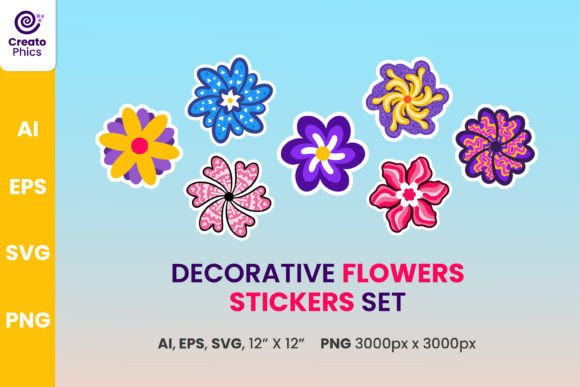
The core value of high-quality floral elements lies in their adaptability. Unlike static images found on free stock sites, premium design packs are engineered for modification. When evaluating a collection, one must look beyond the aesthetic appeal of the preview images and assess the underlying file structure. A robust package typically includes an AI file for Adobe Illustrator, an EPS file for universal vector compatibility, a SVG file for responsive web use, a PDF file for print-ready proofs, and a high-quality PNG file for immediate placement in raster-based software like Photoshop. This multi-format approach ensures that the asset remains useful regardless of the software environment or the final output medium.
Technical Versatility and File Format Utility
The inclusion of multiple file formats is a critical indicator of professional-grade resources. Each format serves a distinct purpose in a creator's toolkit, and understanding when to deploy each one can significantly streamline production timelines.
- AI and EPS Files: These are the workhorses for print and large-scale branding. The AI file allows for deep editing within the Adobe ecosystem, letting you manipulate anchor points, adjust gradients, and recolor individual petals with precision. The EPS format ensures that these vector paths remain editable across different vector software, providing a safety net for collaborators who may not use Illustrator. For signage, packaging, or large banners, these vector formats guarantee crisp lines at any scale.
- SVG Files: In the realm of web design and digital interfaces, scalability without file bloat is paramount. SVGs allow floral elements to render sharply on high-DPI screens while remaining lightweight enough to maintain page load speeds. They are ideal for responsive headers, icons, or background patterns that need to adapt to various screen sizes.
- High-Quality PNG Files: Not every project requires vector editing. Often, a designer needs a ready-to-use element with a transparent background to drop into a social media graphic or a presentation slide. High-resolution PNGs eliminate the need for manual masking, offering immediate usability for rapid prototyping or projects with tight deadlines.
- PDF Files: While often overlooked, the PDF format is invaluable for client presentations and print proofs. It preserves the visual integrity of the design while preventing accidental edits, making it the standard for sharing mockups before final approval.
It is important to note that utilizing these formats effectively requires appropriate software. Before purchasing or downloading, ensure your machine has the capability to open and edit these specific file types. Attempting to force a vector file into a raster-only workflow without the right tools can lead to frustration and compromised quality.
Real-World Performance and Workflow Integration
The true test of any design asset is its performance in real-world scenarios. Floral decorative elements excel in contexts where a touch of humanity or nature is required to balance corporate sterility or digital rigidity. For instance, in the beauty and wellness industry, these elements are frequently used to frame product photography, creating a sense of luxury and organic purity. A well-constructed floral border can guide the viewer's eye toward a call-to-action button on a landing page or elevate the perceived value of a cosmetic label.
In the event planning sector, consistency is key. A cohesive set of floral vectors allows a designer to create a unified visual language across save-the-dates, menus, programs, and signage. Because the elements are vector-based, they can be resized from a small business card to a large backdrop without losing resolution. This flexibility reduces the need for multiple asset purchases and ensures brand consistency across all touchpoints.
However, effectiveness depends heavily on the quality of the original design. Poorly constructed vectors may contain unnecessary anchor points, messy grouping, or non-standard color profiles that complicate the editing process. High-quality floral design sets are organized with logical layering and naming conventions, allowing users to isolate specific flowers or leaves quickly. This attention to detail in the file structure translates directly to time savings during the creative process.
Strategic Value for Diverse Professional Audiences
Different professionals derive varying degrees of value from these assets based on their specific operational needs.
- Marketers and Social Media Managers: For those managing high-volume content calendars, pre-made floral elements offer a way to maintain visual interest without commissioning custom art for every post. They can be used to highlight quotes, frame testimonials, or add seasonal flair to promotional graphics.
- Small Business Owners and Entrepreneurs: Operating often with limited budgets, these individuals benefit from the cost-effectiveness of premium asset packs. Instead of hiring a dedicated illustrator for branding materials, they can license a comprehensive floral kit to establish a polished, professional identity for their boutique, café, or consultancy.
- Educators and Publishers: In educational materials, floral motifs can soften the visual tone of textbooks or worksheets, making content more approachable. Publishers utilize these elements for chapter headings and section dividers, adding a layer of sophistication to layout design.
- Freelance Designers: For agencies and independents, these assets act as force multipliers. They allow designers to focus their billable hours on strategy and custom typography while relying on high-quality decorative elements to fill out the visual composition efficiently.
Limitations and Considerations for Long-Term Use
While floral decorative element design offers substantial benefits, it is not a panacea for all design challenges. Overuse can lead to a generic aesthetic, particularly if popular trends are followed too closely without customization. To maintain uniqueness, it is advisable to modify the color palettes, combine elements in novel ways, or integrate them with custom typography. Relying solely on out-of-the-box presets may result in a brand identity that feels indistinguishable from competitors using the same stock libraries.
Furthermore, the longevity of these assets depends on their stylistic neutrality. Highly stylized or trendy floral illustrations may date quickly, whereas classic, botanically accurate, or minimalist line-art styles tend to have a longer shelf life. When selecting a pack, consider whether the style aligns with long-term brand goals rather than just current social media trends.
Another practical consideration is licensing. Always review the terms of use to ensure the assets are cleared for commercial applications, especially if you intend to use them in products for resale, such as printed merchandise or digital templates. Respect for intellectual property rights is fundamental to professional practice.
Making the Right Choice for Your Projects
Ultimately, the decision to incorporate floral decorative elements should be driven by the specific requirements of the project and the desired emotional response from the audience. These assets are most effective when they serve a functional purpose—guiding attention, establishing mood, or reinforcing brand values—rather than acting as mere decoration.
Before integrating these tools into your workflow, assess your technical readiness. Ensure your hardware and software stack can handle the file formats provided, particularly if you are working with complex vector files that may demand significant processing power. If you encounter issues with file compatibility or have questions regarding specific usage rights, do not hesitate to reach out to the creator or support team. Reliable providers are typically willing to assist with technical hurdles to ensure you can leverage their products effectively.
By approaching floral decorative element design with a strategic mindset, focusing on quality, versatility, and appropriate application, creators can enhance their output significantly. These tools, when used correctly, bridge the gap between amateur aesthetics and professional polish, offering a scalable solution for visual storytelling in an increasingly competitive digital environment.